Radha Krishna Embroidery Design Review
Setting up for a weekend craft fair is equal parts excitement and anxiety. You spend weeks perfecting your booth display, organizing your pricing, and ensuring every stitch on your handmade products is flawless. As an embroidery designer who has spent years turning digital files into tangible goods that sell out at market booths, I look at every new design file with a critical eye. I don’t just ask if it looks pretty; I ask if it will stop a browser in their tracks, if it translates well to fabric, and if it offers enough perceived value to justify a purchase.
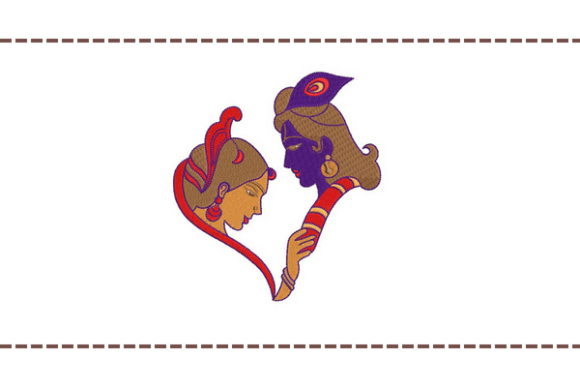
This week, I am reviewing the Radha Krishna machine embroidery design. With its promise of adding a meaningful and artistic feel to any fabric, this piece sits squarely in the Religion and Embroidery categories. But does it have the commercial viability to become a bestseller in your Etsy shop or a standout item on your craft fair table? Let’s dive into the practical realities of producing this design.
First Impressions: Meaning Meets Marketability
The title "Radha Krishna" immediately signals spiritual significance, devotion, and timeless love. In the world of handmade products, designs that carry emotional weight often perform better than purely decorative ones because they create a connection with the buyer. From a designer’s perspective, this feels like a premium product candidate. It isn’t just a pattern; it is a statement.
When you imagine this design on a tote bag or a tea towel, it likely evokes feelings of peace, spirituality, and traditional artistry. This makes it highly versatile. It can appeal to devotees looking for religious home decor, but it also attracts those who appreciate Indian art aesthetics, bohemian style, and mindful living. The key here is versatility. A design that bridges the gap between religious artifact and stylish home accessory has a much wider customer base.
Product Application: Where Radha Krishna Shines
Not all embroidery designs work equally well on all surfaces. Based on the typical characteristics of intricate religious motifs, here is how Radha Krishna might perform across various craft fair staples.
Tote Bags and Market Totes
A canvas tote bag is perhaps the most practical application for this design. The sturdy fabric provides a stable surface for embroidery, allowing the details of the Radha Krishna motif to stand out without distortion. For an Etsy seller, a tote bag design featuring this imagery is a high-demand item. It serves as both a functional everyday carry and a subtle expression of faith. When photographing this for your online listings, ensure the background is neutral so the colors of the thread pop against the natural or colored canvas.
Aprons and Kitchen Textiles
Apron embroidery and tea towel embroidery are excellent entry-level products. They are affordable for buyers but offer good profit margins for you. The Radha Krishna design adds a warm, inviting touch to a kitchen setting. However, be mindful of the placement. On an apron, center chest or lower pocket placement often works best. For tea towels, a centered square or vertical orientation allows the full height of the design to be appreciated while folding neatly.
Patches and Caps
If the design includes a clean border or can be digitized as a patch, it becomes a fantastic addition to your booth. An embroidered patch featuring Radha Krishna can be sewn onto denim jackets, backpacks, or baseball caps. This expands your reach to customers who may not want a full garment embroidered but still desire the aesthetic. Just remember that curved cap surfaces require careful hooping techniques to avoid puckering.
Pillow Covers and Home Decor
The description mentions decorative pillows and bedsheets. Large format designs like this look stunning on lumbar pillows or throw cushions. They serve as focal points in a living room. Because these items are larger, the design needs to be scaled appropriately. Ensure your hoop size accommodates the final dimensions you plan to produce. A design that looks balanced on a 5x7 inch hoop might look sparse on a large pillow if not resized correctly.
Production Realities and Technical Considerations
As a professional, I cannot stress enough the importance of testing before production. Here are the critical factors to consider when turning this digital file into a physical product.
- Stitch Density and Detail: Religious iconography often involves fine lines and small details. Check the stitch density of the file. If the stitches are too dense, the fabric may pucker, especially on lighter materials like cotton tea towels. If the details are too tiny, they may get lost in the weave of the fabric or become indistinguishable when viewed from a distance at a busy craft fair.
- Fabric Texture and Choice: The fabric texture plays a huge role in the final look. Smooth cottons and linens allow for crisp definition. Heavier fabrics like denim or thick canvas provide stability but may require a stronger stabilizer. Avoid highly textured fabrics like boucle or heavy wools unless you are certain the design will penetrate properly without damaging the needle or bobbin.
- Thread Contrast and Colors: Selecting the right thread colors is crucial. Dark fabrics require light or metallic threads for visibility, while light fabrics offer more flexibility. Test your color palette against the actual fabric you intend to use. What looks vibrant on screen might appear muddy in person.
- Stabilizer Selection: Always use the appropriate stabilizer. Cut-away stabilizers are generally recommended for garments and items that will be washed frequently, such as aprons and tote bags, to prevent distortion over time. Tear-away stabilizers work well for temporary projects like patches or lightweight home decor.
Selling Strategy: Maximizing Visual Appeal
To make your craft fair product stand out, presentation is everything. A single embroidered piece laid flat on a table might not catch the eye. Instead, create a lifestyle display. Hang the tote bags so customers can see the drape. Stack the pillows to show texture. Use lighting that highlights the sheen of the threads.
For your Etsy seller listings, invest in high-quality photos. Show close-ups of the stitching quality to prove craftsmanship. Include images of the product in use—perhaps a Radha Krishna apron in a bright kitchen or a pillow on a cozy sofa. This helps potential buyers visualize the item in their own homes, increasing the likelihood of a sale.
Consider bundling. Offer a matching set of a tea towel and a pot holder, or a tote bag with a smaller pouch. Bundles increase the average order value and make your booth look more abundant and curated.
Final Verdict
The Radha Krishna embroidery design holds significant potential for craft fair sellers and online entrepreneurs. Its meaningful theme and artistic nature give it broad appeal, transcending niche religious markets to attract lovers of art and culture. However, success depends on execution. Pay attention to the technical details: test on scrap fabric, verify the digital embroidery file compatibility with your machine, and choose the right materials.
By treating this design with the care it deserves—respecting the stitch count, selecting complementary fabrics, and presenting it beautifully—you can turn a simple embroidery file into a cherished handmade product that resonates with customers and boosts your business. Remember to confirm your commercial licensing terms before selling finished goods, ensuring your hard work is protected and profitable.