Creative Tree Embroidery Design Review
As an embroidery designer who spends countless hours evaluating digital files for seasonal collections, I am always looking for designs that strike the perfect balance between artistic flair and commercial viability. When I first reviewed the Creative Tree design, I immediately recognized its potential for holiday product lines. This is not just a simple motif; it is a versatile piece of art that promises to add a cozy and artistic feel to any fabric. For Etsy sellers, small business owners, and crafters planning their upcoming inventory, understanding the nuances of this design is crucial before committing to production.
The First Impression: Mood and Aesthetic
The immediate emotional impact of the Creative Tree is one of warmth and nostalgia. In the world of holiday embroidery, we often see two extremes: overly traditional religious iconography or generic winter scenes. This design sits comfortably in the middle, offering a rustic yet modern aesthetic that appeals to a broad audience. The artistic style suggests a hand-drawn quality, which translates beautifully into machine embroidery, giving the finished product a premium, handmade look that customers are willing to pay for.
From a visual recognition standpoint, the tree structure provides strong focal points while leaving enough negative space to allow for personalization. Whether you are aiming for a spiritual, romantic, or simply festive vibe, this design adapts well. It feels elegant enough for home decor but playful enough for children’s apparel. For the Etsy seller, this versatility is gold. It allows you to target multiple niches simultaneously—home decor enthusiasts, gift shoppers, and fashion-forward crafters—all with a single core design element.
Seasonal Application and Product Ideas
Planning a seasonal shop collection requires strategic product placement. The Creative Tree is exceptionally adaptable across various categories. Here is how I envision this design performing in real-world selling situations:
- Home Decor: This is perhaps the strongest category. Try it on decorative pillows, bedsheets, or table linens. The design’s organic shape complements the textures of linen and cotton, creating a high-end look for living rooms and bedrooms during the holidays.
- Kitchen Essentials: Kitchen towel embroidery featuring this tree adds a touch of charm to holiday hosting. It pairs beautifully with autumnal or wintery color palettes, making it a perfect addition to gift bundles.
- Apparel: Sweatshirt embroidery is a staple for holiday sales. The design works well on the chest or as a large back print. It also translates effectively to tote bag designs, appealing to shoppers looking for sustainable, reusable holiday bags.
- Gift Items: Consider using this on embroidered patches for denim jackets or bags, or even on baby items like muslin wraps. The "creative" aspect allows for customization, making it ideal for personalized gifts where you might add names or dates around the tree.
- Ornaments and Small Goods: While detailed, the main elements can be scaled down for ornaments or aprons, provided the stitch density is managed correctly.
When creating product mockups for social media previews, imagine these items styled with warm lighting, pinecones, or soft blankets. The Creative Tree enhances the storytelling of your listings, helping buyers visualize the cozy atmosphere they can bring into their homes.
Holiday Selling Scenarios
In limited edition apparel drops, this design serves as a reliable anchor. It has the timeless appeal needed for family matching items, where consistency in brand identity is key. During craft fair displays, printed promotional graphics featuring close-ups of the stitching detail can draw attention to the craftsmanship. Furthermore, because it fits the "forest" theme naturally, it aligns perfectly with current trends favoring nature-inspired decor.
Technical Considerations and Potential Pitfalls
While the aesthetic appeal is high, every professional designer knows that execution is everything. There are specific areas where the Creative Tree requires careful handling to ensure customer satisfaction and reduce returns.
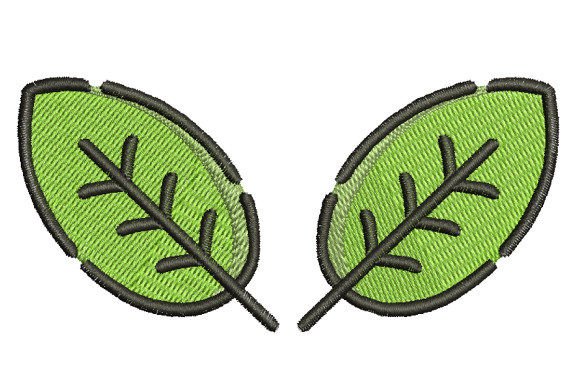
First, consider the stitch density. If the design includes intricate leaf patterns or dense fills, testing on thick towels or dark fabric is essential. Heavy stitching on bulky materials can cause puckering or needle breakage. Similarly, when working with stretchy garments, proper stabilization is non-negotiable to maintain the design's integrity.
Another critical factor is the hoop size. Before adding this to your commercial library, confirm the maximum dimensions required. If you plan to offer smaller versions for tiny lettering or miniature projects, check if the details remain legible after scaling down. Tiny details often get lost in smaller hoop sizes, leading to muddy results that frustrate both the maker and the buyer.
Thread selection also plays a major role. Metallic threads can add a festive sparkle to the tree branches, but they require slower speeds and specific tension settings. If you are using metallic thread, test extensively to avoid breakage. Conversely, standard polyester threads work best for general use, but you must test thread colors on both light and dark fabrics to ensure contrast and vibrancy.
Maximizing Value and Trust
For the small shop product owner, the perceived value of a item is directly linked to the quality of the embroidery. A well-executed Creative Tree elevates a basic sweatshirt or pillow cover into a premium gift. When customers see clean stitches, accurate registration, and thoughtful color choices, their trust in your brand increases. This is particularly important during holiday shopping periods when competition is fierce.
To build engagement, share behind-the-scenes content showing the digitizing process or the final stitched result. Highlight the fabric texture and how the design interacts with it. Showcasing the realistic outcome helps manage customer expectations and reduces the likelihood of dissatisfaction due to unrealistic perceptions of what machine embroidery can achieve.
Practical Designer Notes for Success
Before you start mass-producing, follow these practical steps to ensure your digital embroidery file performs flawlessly:
- Test on Multiple Fabrics: Always run a sample on the exact fabric you intend to sell. Cotton behaves differently than fleece or velvet.
- Check Stabilizer Compatibility: Use the appropriate stabilizer for each project type. Cut-away stabilizers are generally safer for stretchy or heavy items, while tear-away may suffice for woven home decor.
- Create Realistic Mockups: Use high-quality printable mockups to preview how the design looks on different products without physically producing every variation.
- Review Small Details: Zoom in on the digitized file. Are there any overlapping stitches that might cause issues? Is the underlay sufficient?
- Plan Color Palettes: Coordinate your thread colors with seasonal trends. Earth tones work for rustic vibes, while bright colors suit playful themes.
- Confirm Licensing: Most importantly, review the commercial licensing terms of the embroidery file. Ensure you have the right to sell finished products featuring the Creative Tree design. Do not assume rights; verify them explicitly to protect your business.
The Creative Tree is more than just a pattern; it is a tool for creating memorable holiday experiences. By paying attention to technical details and leveraging its emotional appeal, you can create a standout seasonal collection that resonates with buyers. Whether you are decorating a kitchen towel or crafting a heartfelt gift, this design offers the artistic depth and cozy charm that today’s consumers are seeking. Take the time to test, refine, and present it with care, and it will undoubtedly become a valuable asset in your seasonal embroidery repertoire.