Oh Christmas Tree Embroidery Design Review
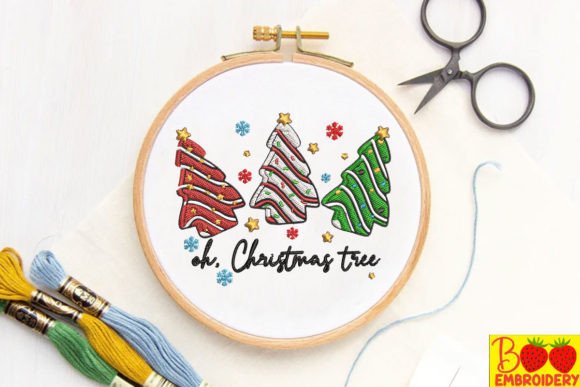
As an experienced embroidery designer preparing for the upcoming weekend craft fair, I am constantly evaluating new machine embroidery design assets to ensure my booth stands out. This year, I stumbled upon a file titled Oh Christmas Tree, described as the perfect way to decorate Christmas projects with multiple file options. Before committing to mass production for my handmade market products, I put this embroidery file through its paces. My goal is to determine if this design has the commercial viability required for a successful craft fair product lineup.
First Impressions and Visual Appeal
The title Oh Christmas Tree immediately sets a nostalgic and festive tone. In the world of handmade product marketing, first impressions are everything. Does this design feel bold, cute, or perhaps elegant? From the description alone, it suggests a versatile aesthetic that could work across farmhouse, rustic, and modern styles. For a boutique maker or Etsy seller, versatility is key because it allows you to target different customer demographics without needing a completely new design library.
When I visualize this design on a display table, it needs to catch the eye from a distance. A strong design asset should not get lost in a sea of other holiday goods. The promise of "multiple embroidery files" implies scalability, which is crucial for creating a cohesive collection where the same motif appears on small accessories and large home decor items. It feels like a classic choice that resonates with buyers looking for traditional holiday charm rather than avant-garde art.
Product Versatility: Where Oh Christmas Tree Shines
The true test of any digital embroidery file is its adaptability across various mediums. Here is how I see Oh Christmas Tree performing on specific items for my craft fair booth:
- Tote Bags and Market Bags: A tote bag is often the first item customers reach for. If the design works well as a tote bag design, it can serve as a focal point on the front panel. The clean lines suggested by the title would look excellent on canvas or heavy cotton, offering a premium feel that justifies a higher price point.
- Apron Embroidery and Tea Towels: Kitchen items are perennial sellers during the holidays. On an apron, this design could be positioned near the bib or pocket. Similarly, tea towel embroidery benefits from a central placement. The design's potential for varying sizes means it can act as a subtle accent on a smaller towel or a grand statement on a large kitchen cloth.
- Caps and Patches: For a more casual vibe, this design translates well to headwear. However, adapting a tree motif to a curved cap surface requires careful planning regarding the hoop size and digitization angles. Alternatively, turning it into an embroidered patch offers a trendy, detachable option that appeals to younger buyers who love customizing their denim jackets or backpacks.
- Pillow Covers and Small Pouches: Home decor items like pillow covers allow for larger, more detailed stitching. Small pouches, perfect for holding gifts or cosmetics, benefit from a compact version of the design. These items are ideal for impulse buys at a busy market stall.
Production Practicality and Batch Efficiency
For a small shop product owner, time is money. The efficiency of production determines profit margins. One of the most critical factors is whether the design is easy to understand at a glance. If the Oh Christmas Tree file is too complex, it will slow down the stitching process, increasing labor costs. Conversely, if it is too simple, it may lack the perceived value needed to sell as a premium commercial embroidery item.
I need to assess if this design photographs well for online listings. High-quality images are essential for printable mockups used in digital marketing. A design with good contrast and clear definition will look sharp in photos, driving traffic to your Etsy shop or website. Furthermore, for batch production, the design must be repeatable without losing quality. If the stitch density varies wildly between the large and small versions included in the package, it could lead to puckering or thread breaks, ruining the consistency of your brand.
Technical Considerations and Careful Use Notes
Even the best-looking design can fail in production if technical details are ignored. As a professional, I advise checking the following before running this on your machine:
- Stitch Density: Check for dense stitch areas. High density can cause fabric distortion, especially on thin materials. If the design is too dense, it may look bulky and lose its delicate appeal.
- Small Details and Lettering: Examine the tiny details. If the tree features intricate ornaments or fine text, these might disappear when stitched on dark fabric or textured towels. Ensure the thread colors provide enough contrast against your chosen material.
- Fabric Texture: Textured fabrics, such as waffle-weave tea towels or nubby wool, can hide the definition of the stitches. Smooth cottons or linens usually yield the crispest results for this type of design.
- Curved Surfaces: When applying this to caps, the curvature can stretch the design. You may need to adjust the digitization or use a specialized hoop to maintain the shape of the tree.
- Size Limitations: Designs often lose clarity when scaled down too small. Confirm the minimum recommended size to ensure the finished product remains legible and attractive.
Strategic Designer Notes for Success
To maximize the impact of Oh Christmas Tree in your inventory, follow these practical steps. First, always test the design on scrap fabric that matches your final product in weight and texture. This helps you identify potential issues with stabilizer requirements or tension settings.
Review the spacing carefully. A design that is too close to the edge of a garment or accessory can look unprofessional. Confirm the hoop size compatibility to ensure the design fits within the standard dimensions of your equipment. Creating at least one real mockup is non-negotiable; seeing the physical result gives you confidence to showcase it in your booth or list it online.
Finally, compare different fabric colors to find the ones that make the design pop. A bright green tree on a white background offers a classic look, while a metallic thread on a navy background adds a touch of luxury. Most importantly, confirm the commercial licensing terms before selling finished products. Using a digital embroidery file without the proper license can lead to legal issues and damage your reputation as a creative entrepreneur.
In conclusion, Oh Christmas Tree has the potential to be a standout addition to your holiday collection. Its versatility across home decor, clothing, and gifts makes it a valuable asset for any embroidery business owner. By paying attention to production details and testing thoroughly, you can turn this design into a best-selling craft fair product that delights customers and strengthens your brand.