Cute Lemon and Leaves Embroidery Review
As an embroidery designer who spends hours refining stitch paths and testing thread combinations, I am always on the lookout for designs that balance charm with technical precision. When I first encountered Cute Lemon and Leaves on Creative Fabrica, it caught my eye not just for its bright aesthetic, but for its potential in real-world commercial applications. This is a review based on evaluating this design for actual handmade products, custom apparel, and small business inventory.
First Impressions: Visual Mood and Design Personality
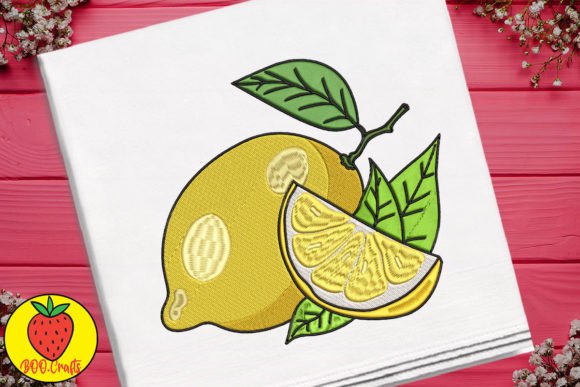
The moment you download this embroidery file, the visual appeal is immediate. The design features a cheerful lemon motif surrounded by organic leaf details, creating a fresh, summery vibe. For designers specializing in food-themed decor or casual wear, this offers a distinct personality. It is not merely a fruit illustration; it has a decorative quality that suggests a hand-drawn aesthetic translated into digital stitching.
In terms of detail level, the design appears to rely heavily on smooth transitions and clean lines. This is crucial for maintaining the "cute" factor without looking cluttered. The interplay between the rounded shape of the lemon and the pointed tips of the leaves provides a nice contrast in geometry. For those looking to add a pop of color to their handmade product line, this design serves as a versatile anchor piece. It feels appropriate for spring collections, summer festivals, and kitchen-focused branding.
Performance in Real Embroidery Projects
Translating a digital concept into a physical finished product requires careful consideration of how the design interacts with different materials. Here is how Cute Lemon and Leaves might perform across various categories:
- Custom Apparel and Sweatshirts: On soft cotton blends or fleece, the design can stand out beautifully. However, because lemons are often associated with brightness, using this on darker fabrics may require specific thread choices to ensure visibility. It works well as a chest-level accent on hoodies or a larger statement print on the back of a t-shirt.
- Tote Bags and Canvas: A tote bag design benefits from bold, clear imagery. The simplicity of the lemon shape ensures that even on textured canvas, the core elements remain recognizable. This makes it an excellent choice for eco-friendly brand merchandise or gift sets.
- Kitchen Textiles: Given its category as a Food related item, this design is naturally suited for aprons, kitchen towels, and tea towels. The subject matter aligns perfectly with culinary themes, making it a logical choice for boutique kitchenware shops.
- Baby Items and Nursery Decor: The soft, friendly nature of the lemon motif makes it suitable for baby blankets, burp cloths, and nursery pillow covers. Parents often look for gentle, non-threatening imagery, and this design delivers that warmth effectively.
- Embroidered Patches: If the design includes a defined border or can be easily bordered, it translates well into an embroidered patch. These are popular for denim jackets and backpacks, adding a personalized touch to standard garments.
Practical Considerations for Stitching Success
While the visual potential is high, successful execution depends on technical preparation. As a professional, I advise reviewing the following aspects before committing to production runs:
Hoop Size and Density
Always verify the recommended hoop size provided in the file details. Designs featuring multiple elements, like a lemon cluster with surrounding foliage, can become dense. High stitch density in small areas can lead to puckering, especially on lightweight fabrics. If the design is intended for a small hoop, ensure your stabilizer matches the fabric weight to prevent distortion.
Fabric Compatibility
The texture of your base material plays a significant role. Smooth fabrics like jersey or tightly woven cotton will showcase the satin stitch details best. Conversely, highly textured fabrics like heavy canvas or boucle may obscure fine details. For stretchy fabrics such as sweatshirt material, a cut-away stabilizer is often necessary to maintain the integrity of the fill stitch areas over time.
Thread Color Contrast
To achieve the vibrant look seen in mockups, thread selection is key. Yellow threads can sometimes appear muted if the underlay is too dark or if the top thread lacks sufficient sheen. Testing on scrap fabric is essential to confirm that the thread colors pop against your chosen background. If working with dark fabric, consider using a white or light-colored backing to enhance the brightness of the yellow tones.
Detail Inspection
Examine the smaller components of the design, such as the veins in the leaves or the seeds in the lemon (if present). Small details executed with running stitch or tiny satin stitches can break or blur if the machine tension is not perfectly calibrated. Always run a test stitch-out to inspect these minute elements before producing customer orders.
Impact on Product Value and Brand Appeal
Using a cohesive, high-quality design like Cute Lemon and Leaves can significantly elevate your brand perception. In the crowded market of Etsy listings and craft fair booths, visual consistency builds trust. Buyers associate neat, well-executed embroidery with professionalism and care.
This design enhances product photography by offering natural color contrasts. The yellow and green palette photographs well, drawing the eye and creating inviting images for social media engagement. Furthermore, because the theme is universal—lemons symbolize freshness, positivity, and summer—it appeals to a broad audience, increasing the likelihood of sales for personalized gifts and seasonal items.
Final Verdict and Best Practices
Cute Lemon and Leaves is a strong candidate for designers seeking to expand their catalog with cheerful, food-inspired motifs. Its versatility allows it to fit seamlessly into commercial embroidery projects ranging from boutique merchandise to personal gifts.
To ensure the best results:
- Test First: Always stitch a sample on the exact fabric and stabilizer combination you plan to use.
- Check Licensing: Review the specific license terms on the Creative Fabrica product page to understand what you can sell and any restrictions regarding digital resale.
- Compare Mockups: Look at both light and dark fabric mockups to gauge versatility.
- Inspect Details: Zoom in on the digital file to assess the complexity of the applique design or stitch types involved.
By paying attention to these practical details, you can transform this digital asset into a tangible, high-value item that delights customers and strengthens your reputation as a skilled embroiderer.