Cute Cherry and Flowers Embroidery Review
As an embroidery designer who spends countless weekends hunched over my machine, prepping for local craft fairs and pop-up markets, I have learned one hard truth: visual appeal is everything. When a customer walks by your booth, they might glance at your display for less than three seconds. That is all the time you have to communicate quality, style, and value. This week, I am reviewing a design titled Cute Cherry and Flowers, a piece that promises to bring a touch of sweetness to your handmade product lineup. The description highlights it as a gorgeous cherry flower embroidery suitable for shirts, aprons, hats, canvas, and towels. But does it actually perform in the real world? Let us dive into a professional review from the perspective of someone who needs this design to sell.
First Impressions and Visual Appeal
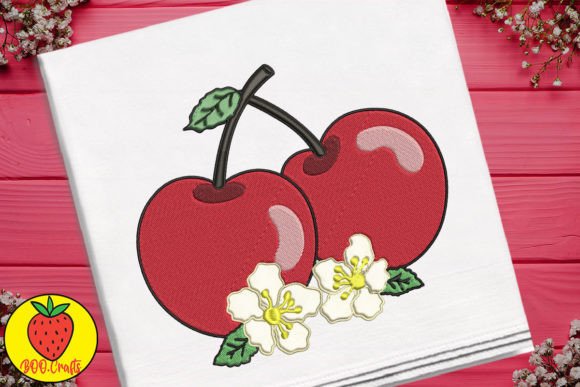
The title Cute Cherry and Flowers immediately sets a specific mood. It suggests a blend of rustic charm and soft elegance. In the crowded marketplace of machine embroidery design files, "cute" can sometimes feel generic, but when paired with floral elements, it often translates to a timeless aesthetic that appeals to a broad demographic. From a design standpoint, I expect this file to offer a balanced composition. If the cherries are rendered with enough detail to look plump and juicy, while the flowers provide a delicate, airy frame, the design will likely hold up well as a focal point.
For a craft fair setting, this combination works exceptionally well because it taps into seasonal trends without being overly niche. Cherries evoke summer, picnics, and fresh produce, while flowers add a layer of femininity and grace. This duality makes it versatile. It is not just a food-themed item; it is a lifestyle statement. When I imagine this on a white cotton tote bag or a navy blue apron, the contrast should pop, drawing the eye immediately. The visual weight of the cherries anchors the lighter floral elements, creating a design that feels complete rather than scattered.
Product Application and Market Fit
Let us talk about where this embroidery file shines. Based on the versatility described, here is how I would deploy Cute Cherry and Flowers across a typical booth inventory:
- Apron Embroidery: This is perhaps the strongest application. An apron is a high-visibility item. Placing the design on the chest area or centered on the bib allows the full detail of the cherries and flowers to be appreciated. It transforms a utilitarian kitchen tool into a decorative kitchen towel embroidery companion or a stylish cooking accessory.
- Tote Bags and Market Bags: A sturdy canvas tote with this design stamped on the front is an instant impulse buy. It serves as a perfect tote bag design for grocery runs or beach days. The durability of the embroidery ensures it survives washes, adding perceived value to the small shop product.
- Tea Towels: For the home decor enthusiast, this design on a linen tea towel offers a subtle texture play. The fabric texture of the towel interacts nicely with the thread sheen, enhancing the stitch density details if the design includes satin stitches for the fruit bodies.
- Embroidered Patches and Caps: If the design has a clean border or can be digitized with one, it works beautifully as an embroidered patch for denim jackets or backpacks. On caps, it adds a playful accent to the curved surface, provided the hoop size accommodates the curve without distortion.
- Pillow Covers and Home Accents: Larger formats allow the customer to see the intricacy of the thread colors. A pillow cover becomes a gift-worthy item, especially during spring or summer seasons.
Production Practicality and Quality Control
Before committing to a batch production run, a seasoned designer knows we must test rigorously. Here are the critical factors to evaluate with Cute Cherry and Flowers:
- Stitch Density and Detail: Check the stitch density closely. Cherries have small stems and leaves; if the digitization is too dense, the fabric may pucker. If it is too sparse, the details may disappear. Ensure the tiny details remain clear and do not merge into a blob.
- Hoop Size Constraints: Confirm the recommended hoop size early. If the design is large, you need a larger hoop, which limits the types of garments you can embroider (like narrow sleeve cuffs). A moderate size is ideal for maximum product variety.
- Thread Contrast: Test the design on various fabric colors. On dark fabrics, you may need underlay stitches to make the bright reds and greens of the cherries stand out. On light fabrics, ensure the thread colors do not get lost in the weave.
- Stabilizer Selection: Use the right stabilizer for each material. Cut-away stabilizer is generally safer for woven items like aprons and towels to prevent shifting, while tear-away might suffice for stiffer canvas bags. Incorrect stabilizer choice is the number one cause of finished product failure.
- Fabric Texture Interaction: Remember that textured fabrics, like waffle-weave tea towels, can obscure fine stitching. Always create at least one real mockup on the actual fabric you plan to sell.
Selling Strategy and Brand Consistency
From a marketing perspective, Cute Cherry and Flowers is a strong asset for an Etsy seller or boutique maker. It photographs beautifully, which is crucial for your online listings. The natural colors of cherries and flowers lend themselves to bright, inviting photography that performs well on social media platforms.
When displaying this at a craft fair, consider grouping it with complementary items. A set featuring a matching apron, tea towel, and tote bag creates a cohesive look that encourages higher basket sizes. The design reinforces brand consistency by offering a recognizable, charming motif that customers can associate with your handmade quality. It feels premium because it combines two popular motifs—fruit and florals—into a single, polished piece.
Final Verdict for Craft Fair Sellers
Is Cute Cherry and Flowers worth adding to your repertoire? Absolutely. It hits the sweet spot between cute and sophisticated, making it appealing to a wide range of buyers. It is practical to produce, versatile in application, and visually striking. However, always remember to check the digital embroidery file specifications, confirm commercial licensing rights before selling finished products, and inspect the stitch quality on scrap fabric first. By doing your due diligence, you can turn this simple design into a best-selling craft fair product that delights customers and builds your reputation for excellence.