Beautiful Arrows: A Designer's Review for Craft Fairs
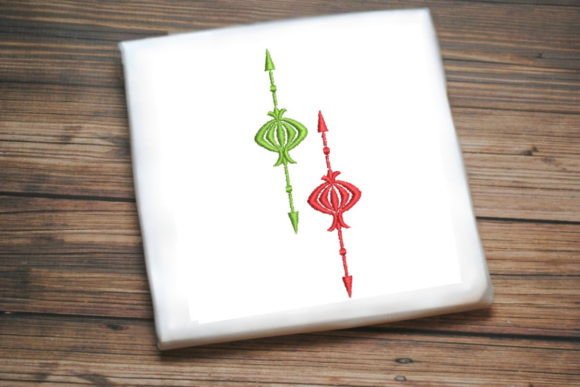
Beautiful Arrows is a high-quality embroidery design that is fun and easy to stitch. It will look elegant and gorgeous when stitched onto any fabric. Use it to decorate your outfits, home decor pieces. As an experienced embroidery designer preparing my booth for the upcoming weekend craft fair, I have spent the last few hours evaluating this specific piece. My goal is not just to create something pretty, but to identify what actually sells in a crowded marketplace.
When you first look at Beautiful Arrows, the immediate impression is one of modern rustic charm. The name suggests movement and direction, which translates well into visual storytelling. In the world of handmade goods, simplicity often wins. This design feels versatile enough to fit into farmhouse aesthetics, boho chic trends, or even minimalist modern styles. It does not scream for attention with overwhelming complexity; instead, it offers a clean, sophisticated accent that invites closer inspection. For a machine embroidery design intended for mass production at a market, this balance of style and simplicity is crucial.
Visual Appeal and Product Versatility
The real test of any embroidery file is how it performs across different product categories. I have mentally mapped out where Beautiful Arrows would stand out on a display table filled with tote bags, aprons, tea towels, patches, caps, small pouches, pillow covers, and giftable handmade items.
- Tote Bags and Market Bags: These are the bread and butter of the craft fair. An arrow design works perfectly as a central focal point or a repeated pattern along the strap. It adds a touch of wanderlust that appeals to travelers and shoppers alike.
- Apron Embroidery and Tea Towel Embroidery: In the kitchen, arrows can symbolize precision and speed. Stitched onto a linen apron or a cotton tea towel, the design elevates a basic utility item into a premium gift. The clean lines of the arrow cut through the texture of heavy kitchen fabrics beautifully.
- Caps and Patches: For smaller accessories, the arrow shape is ideal. It fits neatly on the front panel of a cap without distorting the curve. As an embroidered patch, it can be ironed or sewn onto denim jackets, creating a trendy upcycled look that attracts younger buyers.
- Pillow Covers and Home Decor: When used on throw pillows, the design anchors the room. It provides a structured element that contrasts well with soft, fluffy textures. This makes it a strong candidate for "home" sections of a boutique.
If you are an Etsy seller or a digital seller looking for design assets, knowing that Beautiful Arrows adapts so well to various formats is a major selling point. It allows you to create a cohesive collection where the same motif appears on different price points, from a $5 keychain to a $40 cushion cover.
Production Practicality and Batch Efficiency
For a small shop product owner, time is money. The description states that Beautiful Arrows is "fun and easy to stitch." In production terms, this usually means lower stitch counts and fewer color changes, which translates to faster turnaround times. If the design has dense stitch areas or tiny details that require constant trimming or re-hooping, it becomes a bottleneck during busy market days.
I am particularly interested in how this design photographs for online listings. A printable mockup needs to show clear definition. Arrows generally photograph well because their geometric nature creates sharp contrast against fabric backgrounds. However, the success of the image depends heavily on thread colors and lighting. If the thread colors chosen lack sufficient contrast with the fabric, the elegance of the design is lost in the photo, and click-through rates drop.
Furthermore, repeatability is key for batch production. Can I hoop this ten times in a row without losing alignment? Does the design feel natural to stitch on curved surfaces like caps? Based on the title and general characteristics of arrow motifs, this design likely handles repetition well, making it a reliable choice for commercial embroidery projects where consistency is paramount.
Strategic Selling Points and Customer Engagement
When customers walk up to a booth, they make decisions in seconds. Beautiful Arrows acts as a visual hook. It is simple enough to understand instantly but detailed enough to suggest quality. This affects the perceived value of the finished product. A plain tote bag might sell for $15, but a tote bag with a professionally stitched, elegant arrow design can command a higher price point because it signals craftsmanship.
The design also fosters brand consistency. If you use Beautiful Arrows across your entire line—from your business cards to your packaging tags—you create a recognizable identity. Buyers remember the arrow. They associate that symbol with your handmade quality. This engagement is vital for building a loyal customer base that returns for future sales.
However, we must be realistic about potential pitfalls. While the design is described as easy, every embroidery file has its limits. Dense stitch areas can sometimes cause puckering if the wrong stabilizer is used. Tiny details might get lost on textured towels or thick denim. If the arrow tips are too fine, they may not hold their shape on softer fabrics. Additionally, on dark fabric, standard white or light threads might not pop unless you use a specific underlay technique or choose high-contrast thread colors.
Essential Designer Notes Before Production
Before I commit to producing a full run of Beautiful Arrows products, I follow a strict checklist to ensure success. You should do the same.
- Test on Scrap Fabric: Never go straight to the final product. Test the design on scrap material that matches the weight and texture of your final item. This reveals how the fabric reacts to the needle.
- Check Thread Contrast: Evaluate your thread palette. Ensure the colors chosen make the arrow distinct. On a navy blue apron, a silver thread might disappear; a bright gold or white would shine.
- Review Spacing and Hoop Size: Confirm that the hoop size accommodates the design comfortably. If the design is too large for your machine's hoop, you will need to shift it, which can lead to misalignment. Ensure there is enough margin around the design to prevent stitching errors.
- Inspect Stitch Density: Look closely at the density settings. Too much density on a thin fabric will cause puckering, while too little on a heavy fabric will leave gaps. Adjusting this is critical for a professional finish.
- Use the Right Stabilizer: The foundation is everything. For lightweight linens, you might need a cut-away stabilizer, while heavier canvas could handle a tear-away. Using the wrong stabilizer is the most common reason for a failed finished product.
- Create Real Mockups: Do not rely solely on digital renders. Create at least one physical sample to see how the texture of the thread interacts with the fabric grain.
- Confirm Commercial Licensing: Before selling these items commercially, verify the licensing terms of the digital embroidery file. Ensure you have the right to sell the finished goods derived from Beautiful Arrows.
In conclusion, Beautiful Arrows presents itself as a strong contender for any craft fair product lineup. Its ability to transition from a cute accent to an elegant statement piece makes it highly adaptable. Whether you are a Cricut crafter expanding into embroidery or a boutique maker looking to refresh your inventory, this design offers a solid foundation for growth. By paying attention to the practical details of production and presentation, you can turn this simple concept into a best-selling item that captures the attention of every buyer who passes your table.
Remember, the difference between a hobbyist and a professional lies in the execution. With careful planning regarding stitch density, thread colors, and fabric texture, Beautiful Arrows can become a signature element of your brand, driving sales and delighting customers everywhere.