Tipsy and Bright: A Designer's Review for Craft Fair Success
As an experienced embroidery designer who spends weekends prepping booths for local craft fairs, I know that the difference between a design that sits on a shelf and one that flies off the table often comes down to immediate visual impact. When I first encountered Tipsy and Bright, my mind immediately went to the holiday season and how it could transform standard inventory into high-value handmade products. This review is not just about the file itself; it is about how this machine embroidery design performs when turned into real-world goods for busy markets, Etsy shops, and boutique sellers.
The First Impression: Festive Fun Meets Handmade Quality
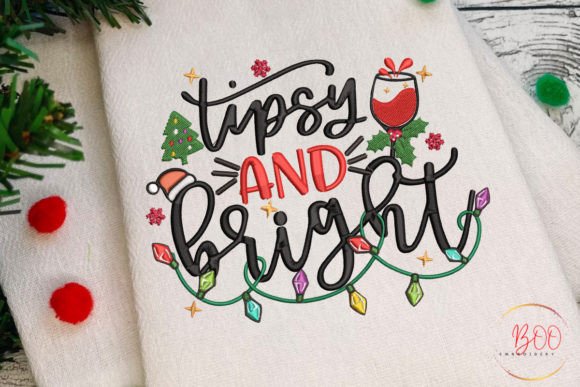
The title Tipsy and Bright suggests a mood that is playful, slightly cheeky, and undeniably festive. In the crowded world of Christmas embroidery, designs often lean too heavily into traditional elegance or overly rustic farmhouse styles. However, this design promises a different vibe. Based on the description provided, it feels like a perfect blend of modern humor and seasonal warmth. For a booth display, this kind of personality is gold. It does not just decorate; it tells a story. Whether it features bold lettering or whimsical imagery, the name implies a design that will catch the eye of a shopper scanning a rack of aprons or tote bags. It stands out as something unique rather than generic stock.
Product Potential: Where Tipsy and Bright Shines
When planning a weekend market setup, I always ask myself: where will this design look its absolute best? The versatility of Tipsy and Bright makes it a strong candidate for several key product categories. Let us break down how it translates across different items.
- Tote Bags and Market Bags: These are staples for any craft fair. A tote bag design featuring this motif would work beautifully as a large focal point on the front panel. The contrast against canvas fabric usually highlights the thread colors effectively, making it an instant conversation starter for shoppers looking for practical yet stylish gifts.
- Apron Embroidery: Kitchen wear is huge during the holidays. Applying apron embroidery with a fun phrase like this adds a touch of personality to what is otherwise a utilitarian item. It appeals to home cooks who want their gear to reflect their sense of humor.
- Tea Towel Embroidery: Nothing sells faster at a December market than kitchen linens. A tea towel embroidery project using this file can be priced higher because it feels more premium than printed alternatives. The texture of the towel catches the light, making the stitches pop.
- Caps and Patches: For those selling smaller accessories, this design works well as an embroidered patch or a centered cap design. It offers a compact way to introduce the brand without overwhelming the customer with a large item.
- Pillow Covers and Home Decor: If you have space in your booth for larger items, pillow covers allow for generous stitching areas. This gives customers a chance to see the quality of the stitch density and thread choices up close.
Selling Points: What Makes It Move Inventory
For an Etsy seller or a small shop product owner, the ability to photograph a design clearly is crucial. Tipsy and Bright appears to have enough visual weight to stand out in a digital listing. When creating a printable mockup for your online store, ensure the text remains legible even in thumbnail size. If the design is too intricate, it may blur on mobile screens, but if it maintains clarity, it will drive clicks.
From a production standpoint, repeatability is key for batch manufacturing. If this digital embroidery file allows for quick hoopings and minimal trimming, you can produce a stack of identical items before the fair opens. The design should feel repeatable for commercial embroidery purposes, allowing you to create a cohesive collection of matching sets—like a matching set of towels and aprons—that increases the average order value.
Practical Production Notes for Designers
Before committing to a full run, every professional designer knows the importance of testing. Here are some critical steps to ensure your finished product meets high standards.
- Test on Scrap Fabric: Always run a test stitch on scrap material similar to your final product. This helps you gauge how the design interacts with the weave of the fabric.
- Check Thread Contrast: Ensure your thread colors provide enough contrast against the background fabric. Dark fabrics require specific underlay techniques to make the design visible, while light fabrics need vibrant threads to prevent the design from washing out.
- Review Spacing and Hoop Size: Confirm the hoop size required by the file. If the design is large, you may need a multi-hoop sequence, which slows down production. Verify that the spacing fits comfortably within the printable area of your chosen product.
- Inspect Stitch Density: High-density areas can cause puckering, especially on thin fabrics like tea towels. Adjust the stabilizer choice accordingly. For heavy items like caps, use a rigid backing to maintain shape.
- Create Real Mockups: Do not rely solely on digital renderings. Create at least one real mockup to photograph. The texture of real thread looks different on camera than a flat image, and this authenticity builds trust with buyers.
What to Watch Out For
While Tipsy and Bright sounds promising, there are potential pitfalls to avoid. Dense stitch areas can sometimes lose definition if the fabric is too textured or if the wrong stabilizer is used. Tiny details or small lettering might get lost on curved surfaces like caps or in tight spaces on small pouches. If the design relies on fine lines, it may not hold up well on thick fabrics like denim or heavy fleece without significant adjustment.
Additionally, be mindful of the fabric texture. Highly textured materials like bouclé or shaggy towels can obscure the details of the embroidery. For these items, it is often better to place the design on a smooth patch sewn onto the textured surface. Also, consider the lighting at your craft fair booth. Designs that rely on subtle shading may not read well under harsh fluorescent lights, so prioritize bold contrasts.
Final Verdict: A Strong Addition to Your Catalog
In conclusion, Tipsy and Bright has the potential to be a standout piece in your holiday collection. Its playful tone aligns perfectly with the gift-giving spirit of the season, making it ideal for Christmas themed markets. Whether you are selling directly to consumers at a booth or listing as a handmade product online, this design offers a fresh take on seasonal decor.
By paying attention to production details like stabilizer selection, thread contrast, and proper testing, you can turn this embroidery file into a profitable line of goods. Remember to check the commercial licensing terms before selling finished products derived from this design. With careful execution, Tipsy and Bright can become a signature item that drives engagement and sales for your creative business.