Review: Number 3 Cute Hippo for Holiday Collections
As an embroidery designer, I am constantly scanning for designs that bridge the gap between whimsical charm and commercial viability. When evaluating a new digital file for a seasonal collection, my primary concern is always impact versus execution time. The Number 3 Cute Hippo design has caught my eye recently, and after a thorough technical review, I believe it holds significant potential for holiday product lines. This review breaks down why this specific embroidery file deserves a spot in your upcoming inventory, particularly for sellers targeting the gift market.
First Impressions: A Study in Cozy Minimalism
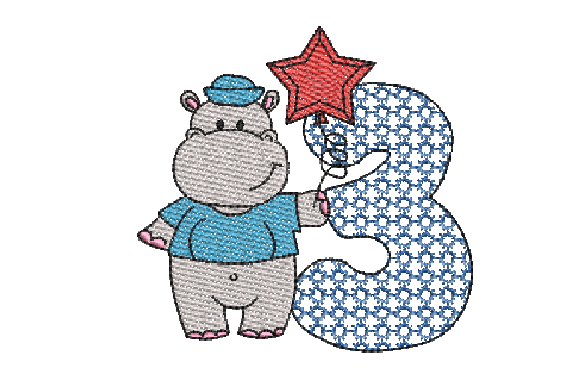
The moment you open the Number 3 Cute Hippo file, the aesthetic speaks volumes. It is not overly complex or cluttered. Instead, it embraces a sketch-like quality that mimics hand-drawn artistry. For the modern consumer, especially those shopping for personalized gift items, this "imperfect" look often reads as more authentic and premium than rigid, geometric vector styles. The description notes that it is lightly filled with little to no underlay, which immediately signals efficiency. In the world of commercial embroidery, speed is money, but so is fabric integrity. A design that stitches quickly without sacrificing visual weight is a rare find.
The emotional tone is undeniably playful yet soft. It fits perfectly into the "cozy" trend that dominates fall and winter marketing. Whether you are creating items for a baby shower, a child’s bedroom, or a rustic-themed home decor piece, this hippo brings a sense of warmth. It is not just a cute animal; it is a mood setter. For Etsy sellers looking to differentiate their shops from mass-produced goods, this level of artistic detail helps build brand consistency and trust.
Strategic Application in Seasonal Product Lines
When planning a holiday drop, versatility is key. The Number 3 Cute Hippo design is surprisingly adaptable across multiple categories. Here is how I envision it performing in real-world selling scenarios:
- Sweatshirt Embroidery: The lightweight fill makes this ideal for fleece or cotton-blend sweatshirts. Because it lacks heavy underlay, it will not stiffen the fabric excessively, maintaining the garment’s comfort. Pairing this with earthy tones like sage green, mustard yellow, or cream creates a stunning seasonal embroidery look that appeals to parents buying matching family outfits.
- Tote Bag Design: Canvas totes are a staple for holiday markets. This design offers major impact without overwhelming the bag’s surface area. It works beautifully on the front pocket or centered on the main panel. The sketch style adds a touch of artisan flair that justifies a higher price point for handmade accessories.
- Kitchen Towel Embroidery: Kitchen linens are high-volume sellers during the holidays. The quick stitch-out time means you can produce these in bulk efficiently. The hippo’s cute factor makes it an irresistible add-on item at checkout or as part of a bundled gift set.
- Pillow Cover & Home Decor: Imagine this design stitched onto a neutral linen pillow cover. It serves as a focal point that invites interaction. Customers love products that evoke nostalgia or joy, and this design delivers exactly that.
- Embroidered Patch: If you sell detachable patches, this design translates well. It can be applied to denim jackets, beanies, or backpacks, extending the life of the product and allowing customers to customize their own gear.
Emotional Resonance and Buyer Psychology
In the context of holiday shopping, buyers are often driven by emotion rather than pure utility. They are looking for ways to express love, care, and festivity. The Number 3 Cute Hippo taps into the universal appeal of baby animals—a category that consistently drives engagement. By featuring this design, you are offering more than just a stitched image; you are offering a token of affection.
This design enhances product value by appearing unique. In a sea of generic Christmas trees or snowflakes, a cute hippo stands out. It suggests thoughtfulness. For small shop product creators, this differentiation is crucial. Social media previews of this design on soft fabrics tend to perform well because the contrast between the thread and the fabric texture highlights the craftsmanship. It communicates quality instantly.
Technical Considerations and Best Practices
While the design is promising, there are critical technical aspects every embroiderer must consider before hitting the start button. As a professional, I cannot stress enough the importance of preparation.
- Hoop Size and Resizing: The source material explicitly states that resizing or altering the design is not recommended. This is a vital constraint. You must ensure your hoop size accommodates the original dimensions. Attempting to scale this up or down may distort the delicate sketch lines, resulting in a muddy or unclear image. Check your machine’s capabilities against the file’s native size.
- Thread Colors and Fabric Contrast: Because the design is lightly filled, thread choice is paramount. Test your thread colors on both light and dark fabrics. On dark fabrics, you may need a lighter background stabilizer or a contrasting thread color to ensure the sketch pops. Avoid low-contrast combinations (e.g., black thread on black fabric) unless you are aiming for a very subtle, tonal effect.
- Stabilizer Selection: Even with minimal underlay, proper stabilization is non-negotiable. Use a cut-away stabilizer for knit garments like sweatshirts to prevent puckering over time. For woven items like kitchen towels, a tear-away might suffice, but a wash-away backing can provide extra support during stitching.
- Stitch Density Checks: Review the stitch density in your software. While the design is described as quick to stitch, ensure that the digitization does not leave large gaps in coverage. A dense, messy stitch job can ruin the "hand-drawn" illusion. If the density looks too sparse, consider adding a light running stitch outline if your software allows, though caution is advised given the no-alteration rule.
- Fabric Texture Compatibility: This design shines on smooth surfaces. Avoid highly textured fabrics like bouclé or thick chenille, as the needle may struggle to penetrate evenly, leading to skipped stitches. Stick to cotton, polyester blends, and canvas for the best results.
Where to Exercise Caution
Not every application is suitable. Be wary of using this design on small hoop sizes where details might get lost. Tiny lettering or intricate details often fail when scaled down. Additionally, avoid using metallic threads unless you have extensive experience, as they can cause tension issues and breakage, detracting from the clean look of the sketch. Stretchy garments require careful hooping to prevent distortion, and items that need repeated washing should use durable thread and stabilizers to maintain the design’s integrity.
Final Verdict for Digital Embroidery File Buyers
The Number 3 Cute Hippo is a strong candidate for inclusion in any seasonal collection focused on family, gifts, and home decor. Its combination of quick execution, high visual impact, and broad applicability makes it a smart investment for Etsy sellers and boutique owners. However, success depends on adherence to its technical constraints—specifically regarding sizing and fabric choice.
Before launching your campaign, create realistic mockups to visualize the final product. These printable mockup assets are essential for online sales. Confirm your commercial licensing terms to ensure you are protected when selling finished goods. By respecting the design’s limitations and leveraging its charm, you can create a cohesive, profitable line that resonates with holiday shoppers. This is not just a cute hippo; it is a strategic tool for boosting your seasonal revenue.