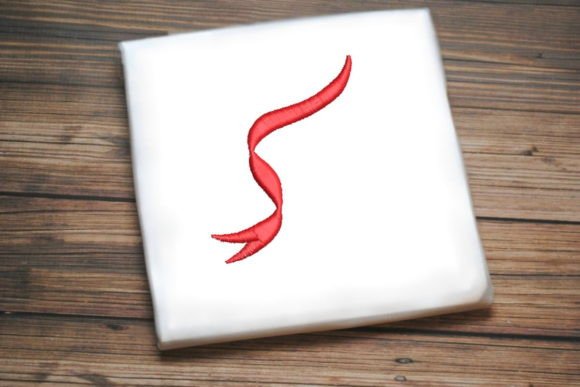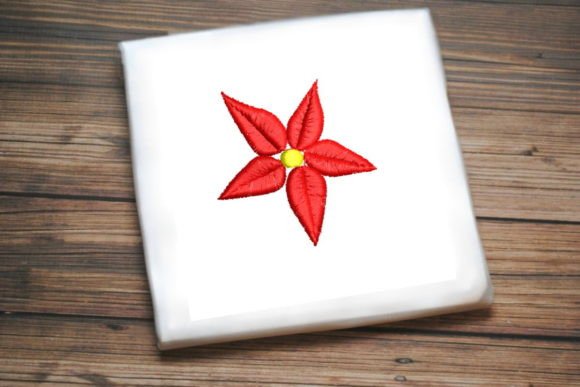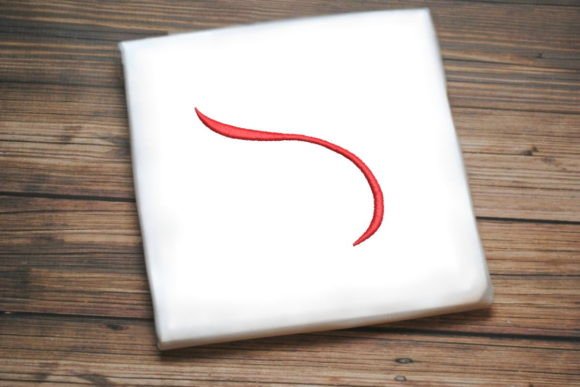
Minimalist Red Leaf Embroidery Review
As an embroidery designer who spends countless hours refining digitizing techniques and selecting fabrics for boutique collections, I am always on the lookout for designs that balance simplicity with visual impact. When browsing Creative Fabrica embroidery options for a new seasonal line, I recently came across the Minimalist Red Leaf. It falls under the Single Flowers category within the broader Embroidery niche, but its appeal extends far beyond traditional botanical decor. This review explores how this design might perform in real-world applications, particularly for those of us creating custom apparel, sweatshirts, and lifestyle products for online shops.
First Impressions: Visual Mood and Aesthetic
The first thing that strikes you about the Minimalist Red Leaf is its clean, uncluttered aesthetic. In a market saturated with overly complex floral arrangements or busy patterns, this design offers a breath of fresh air. The visual personality is undeniably modern and chic. It feels premium yet accessible, striking a perfect balance between elegant and casual. The single leaf motif suggests a sense of calm and sophistication, making it ideal for brands that want to project a refined image without appearing stuffy.
The stitching mood is light and airy. Because it is a minimalist design, it relies on negative space and the texture of the thread to create interest rather than dense coverage. This makes it incredibly versatile. Whether you are aiming for a cute, playful vibe or a bold, trendy statement, this design adapts well. It has a subtle feminine touch without being overly sweet, which broadens its appeal to a wider audience of buyers looking for unique handmade product additions.
Performance on Boutique Apparel and Sweatshirts
For many small clothing brands and Etsy sellers, the hoodie and sweatshirt market is a cornerstone of revenue. I have been planning a small collection focused on cozy, oversized garments, and I see great potential for the Minimalist Red Leaf here. Here is how I envision it performing across different garment types:
- Sweatshirt Embroidery: On neutral-colored crewneck sweatshirts, such as heather grey or oatmeal, the red leaf provides a striking pop of color. It looks especially gorgeous when stitched onto the chest area, offering a subtle branding element that doesn’t overwhelm the wearer.
- Hoodie Design Variations: For hoodies, this design works beautifully as a small chest placement or even as a sleeve accent. Placing a single leaf near the cuff or along the side seam can add a high-end, boutique feel to an otherwise basic garment.
- Pastel Hoodies: When paired with soft pastel shades like blush pink, mint green, or lavender, the red leaf creates a harmonious, spring-like palette. It enhances the outfit’s softness while adding a focal point.
- Dark Apparel: On black or navy blue hoodies, the contrast is dramatic. However, care must be taken with thread selection to ensure the red stands out clearly against dark backgrounds.
- Oversized Garments: The scale of this design is appropriate for oversized fits, where large prints might look too heavy. The minimalism allows the fabric’s drape and fit to remain the star.
Beyond tops, this machine embroidery design can elevate other items. Imagine a denim jacket with a single leaf embroidered on the back yoke or a tote bag featuring the design near the handle base. These applications transform simple merchandise into custom apparel pieces that customers feel proud to wear or carry.
Visual Consistency and Brand Identity
Incorporating the Minimalist Red Leaf into your product line can significantly affect your brand identity. Consistency in design language builds buyer trust and professional presentation. If your shop focuses on clean lines and nature-inspired themes, this design reinforces that narrative. It contributes to visual consistency across your Etsy listings, social media graphics, and physical products. When customers see a cohesive aesthetic, they are more likely to engage with your brand and return for future purchases.
Practical Application for Digital Sellers and Mockups
For those of us selling digital files or printable mockups, the versatility of this design is key. A digital embroidery file like this one is highly marketable because it is easy to visualize. You can create stunning printable mockup images by placing the leaf on various fabric textures—fleece, cotton jersey, or canvas—to show potential buyers how it might look in real life. This helps bridge the gap between the digital purchase and the finished product, reducing uncertainty for the customer.
Furthermore, using this design in social media graphics can drive engagement. Minimalist designs photograph well, allowing for clean, Instagram-worthy content that highlights the product without distraction. It is an excellent choice for commercial embroidery projects where speed and ease of production are priorities.
Where to Use Carefully: Potential Challenges
While the Minimalist Red Leaf is described as fun and easy to stitch, there are specific scenarios where caution is advised. As an experienced designer, I recommend avoiding the following applications unless you have tested them thoroughly:
- Small Chest Placement on Stretchy Fabric: While the design is small, applying it directly over areas of high stretch, such as the center of a ribbed neckline, may cause distortion if not stabilized correctly.
- Dense Stitch Areas: Although minimalist, check the stitch density. If the design includes any solid fills, ensure it does not become too stiff on lightweight fabrics, which could compromise comfort.
- Fleece and Ribbed Fabric: These materials can be tricky. Fleece may hide fine details, while ribbed fabric requires precise stabilization to prevent puckering. Always test on scrap pieces first.
- Curved Surfaces: Applying this design to curved surfaces, like the shoulder of a t-shirt, requires careful hooping to maintain the leaf’s shape and orientation.
- Tiny Lettering: If you plan to combine this leaf with text, ensure the lettering is legible. Minimalist designs often pair best with simple, sans-serif fonts to maintain the clean aesthetic.
Essential Designer Notes for Production
Before committing to a full production run, I strongly advise taking these practical steps:
- Test on Scrap Fabric: Always run a test stitch on the exact fabric you intend to use. This reveals how the thread colors interact with the material and how the fabric reacts to the needle.
- Check Stabilizer Choice: The right stabilizer is crucial. For knitwear like sweatshirts, a cut-away stabilizer is often recommended to provide long-term support and prevent stretching.
- Review Thread Color Contrast: Ensure the red thread contrasts sufficiently with your chosen garment color. On dark garments, a brighter red may be necessary; on light garments, a deeper burgundy might offer more elegance.
- Confirm Hoop Size: Verify that the design fits comfortably within your machine’s hoop size. This prevents errors during digitizing and ensures proper placement.
- Inspect Stitch Density: Look closely at the digitizing. A good embroidery file will have balanced density to avoid thread breaks or fabric damage.
- Compare Placement Options: Try different placements on sample garments to see what looks most balanced. Sometimes moving a design slightly off-center can enhance its visual appeal.
- Check Licensing: Before selling finished apparel, carefully review the Creative Fabrica product details and licensing terms. Understanding the commercial use rights is essential for protecting your business.
Final Thoughts
The Minimalist Red Leaf is a strong candidate for anyone looking to add a touch of elegance and trendiness to their boutique brand offerings. Its simplicity allows it to shine on a variety of substrates, from cozy hoodies to structured tote bags. By paying attention to fabric choice, stabilizer use, and thread contrast, you can leverage this design to create high-quality, desirable products that resonate with customers. It is a testament to the power of minimalism in embroidery design, proving that sometimes less truly is more. For Etsy sellers and small shop owners, this could be the missing piece in your next successful collection.