Christmas Trees Line Art: A Designer's Review
Stepping into the holiday market season is a thrilling yet nerve-wracking experience for any handmade product creator. As an experienced embroidery designer who has spent countless weekends behind craft fair booths, I know that the difference between a item that sits on the table and one that flies off it often comes down to design clarity and production practicality. Recently, I evaluated a digital asset titled Christmas Trees Line Art with the specific intent of turning it into a cohesive collection for my booth. This review breaks down exactly how this machine embroidery design performs when translated from a screen to a physical display.
The First Impression: Minimalist Elegance
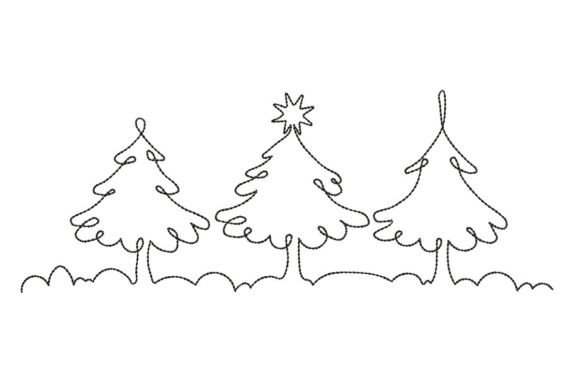
When you first open the embroidery file, the immediate feeling is one of clean, modern simplicity. The description promises that the design is "fun and easy to stitch" and will look "elegant and gorgeous." In the context of a busy craft fair, where customers scan dozens of items in seconds, minimalism is a powerful tool. Unlike heavy, dense traditional motifs that can sometimes feel dated or cluttered, Christmas Trees Line Art offers a sleek aesthetic that appeals to the modern farmhouse and contemporary boutique shopper.
The line art style suggests versatility. It does not scream "loud Christmas"; instead, it whispers sophistication. For a seller looking to curate a brand that feels premium rather than mass-produced, this design provides the perfect foundation. It strikes a balance between festive charm and understated style, making it ideal for buyers who want holiday spirit without overwhelming their home decor.
Product Potential: Where Does It Shine?
Imagine setting up your display table. You have a mix of fabrics, textures, and finishes. How does Christmas Trees Line Art fit into this ecosystem? My analysis suggests it excels as a focal point on several key categories:
- Tote Bag Design: A simple line-art tree on a natural canvas tote is a classic bestseller. The negative space in the design allows the texture of the canvas to show through, adding depth to the final piece. It photographs beautifully for Etsy listings and looks substantial enough to justify a higher price point.
- Apron Embroidery: For the culinary enthusiast, stitching this onto a linen apron creates a chic kitchen accent. The lines are crisp enough to hold up against the movement of cooking, yet delicate enough to remain elegant.
- Tea Towel Embroidery: This is perhaps the strongest contender. The high contrast of a black or gold thread against a white flour sack towel makes the design pop. It is a perfect craft fair product because it is functional, giftable, and visually striking.
- Embroidered Patch: If you plan to sell iron-on patches, the clean lines of Christmas Trees Line Art are excellent for defining edges. However, you must ensure the border is defined well enough to prevent fraying if used as a patch.
- Caps and Pouches: For smaller items like caps or fabric pouches, the design works well as a small accent on the front panel. It adds a touch of personality without overpowering the garment.
Selling Points and Production Practicality
For the digital seller or the small shop owner, efficiency is money. One of the greatest strengths of this design is its ease of execution. The description notes it is "fun and easy to stitch," which translates to faster production times. When you are preparing for a weekend event, you cannot afford designs that require hours of troubleshooting or constant re-hooping.
The design also offers incredible repeatability. You can create a pattern by repeating the trees in various sizes across a large pillow cover or a set of matching napkins. This consistency is vital for brand consistency. Customers love seeing a coordinated set, and a repeatable motif makes creating those sets seamless. Furthermore, the clean lines make it exceptionally photogenic. When you take photos for your printable mockup or social media, the sharp definition of the lines ensures the image remains clear even on small mobile screens.
Real-World Constraints and Careful Use Notes
However, no design is without its challenges. As a professional, I always advise checking specific technical details before committing to a full run. While the description is positive, you must be mindful of stitch density and detail size.
- Small Details: Line art relies on the integrity of thin threads. If the design contains tiny, intricate branches or text, test it at the actual size you intend to sell. On a large pillow, it will look majestic; on a small cap, those same lines might blur together or lose clarity.
- Fabric Texture: The design looks "gorgeous" on smooth fabrics, but textured towels or thick denim can sometimes swallow fine lines. Always test on the actual fabric type you plan to use. If the fabric is too rough, the crispness of the Christmas Trees Line Art may be lost.
- Thread Contrast: To maintain the "elegant" look described, thread color choice is critical. A low-contrast thread (like light grey on white) might look muddy. High-contrast combinations (navy on cream, red on white) will maximize the visual appeal and customer attention.
- Curved Surfaces: Stitching on curved cap surfaces requires careful hoop placement. Ensure the design is digitized with the correct curvature adjustments so the tree doesn't look distorted when viewed from the side.
Designer's Checklist for Success
Before you rush to produce your finished product for the market, follow these essential steps to ensure quality:
- Test on Scrap Fabric: Never skip this step. Run the embroidery file on a scrap of your intended material to check for puckering or tension issues.
- Check Stabilizer Needs: Depending on the fabric weight, you may need cut-away or tear-away stabilizers. Using the wrong stabilizer can ruin the drape of a tea towel or the structure of a tote bag.
- Review Spacing and Hoop Size: Confirm that the design fits within your standard hoop size for batch production. If the design is too large for your machine's capabilities, you will face alignment headaches.
- Create Real Mockups: Do not rely solely on digital renderings. Create at least one real sample to see how the light hits the threads and how the texture interacts with the design.
- Confirm Commercial Licensing: Before selling these items, verify the terms of the digital embroidery file. Ensure you have the rights to sell finished goods made from the design.
Final Verdict
Christmas Trees Line Art is a versatile and high-potential asset for any creative entrepreneur. Its minimalist aesthetic aligns perfectly with current trends, offering a sophisticated alternative to traditional, cluttered holiday motifs. Whether you are an Etsy seller looking to expand your catalog or a boutique maker preparing for the holidays, this design has the potential to elevate your commercial embroidery offerings.
By focusing on high-quality fabrics, proper stabilization, and strategic product placement, you can turn this simple line art into a standout collection. It captures the spirit of the season with grace, ensuring that your booth stands out not just for being festive, but for being beautifully crafted. With the right preparation, Christmas Trees Line Art could easily become the centerpiece of your holiday sales strategy.