Beautiful Peacock s Tail Review
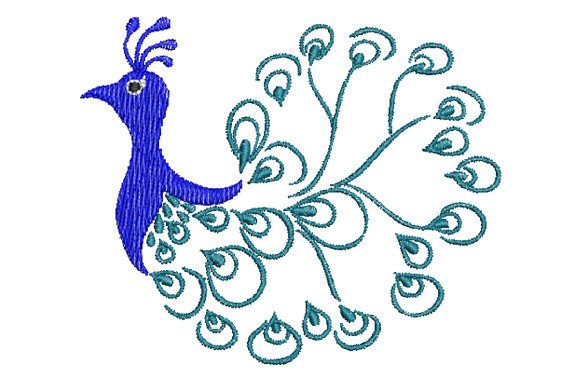
As an embroidery designer who spends weekends setting up booths at local craft fairs and managing an online shop, I know that the difference between a design that sits on a shelf and one that flies off the table often comes down to visual impact and production practicality. When I first reviewed Beautiful Peacock s Tail, my immediate thought was not just about its aesthetic appeal, but how it would perform as a craft fair product. Inspired by the vibrant peacocks found in the south of Thailand, this design captures the essence of the bird’s mating dance—spreading its wings in a display of color and grace. For any Etsy seller or boutique maker looking to add a touch of nature-inspired elegance to their inventory, understanding how this specific machine embroidery design translates from screen to fabric is crucial.
First Impressions: Bold, Elegant, and Market-Ready
The title Beautiful Peacock s Tail suggests a design that is both decorative and premium. From a professional standpoint, peacock motifs are perennial favorites because they naturally draw the eye. The description highlights the "dancing" aspect of the bird, which implies movement and fluidity in the stitch work. This is not a static, stiff image; it feels organic and lively. In a crowded market environment, where customers scan dozens of items in seconds, a design with this kind of inherent dynamism stands out. It strikes a balance between being cute and sophisticated, making it versatile enough for various demographics. Whether you are targeting fans of farmhouse decor or those who appreciate modern, nature-centric aesthetics, this embroidery file has broad appeal. The visual weight of a spreading tail provides excellent focal potential, ensuring that your handmade product commands attention without needing excessive background noise or complex staging.
Product Versatility: Where Does It Shine?
One of the biggest questions I face when evaluating a new digital embroidery file is scalability and application. Can this design work across multiple categories, or is it limited to one item? With Beautiful Peacock s Tail, the answer is a resounding yes. Its composition allows it to function effectively as a large focal point or a refined accent, depending on how you scale it.
- Tote Bags: A tote bag design featuring the full spread of the peacock’s tail creates an instant statement piece. Because tote bags are often used as walking billboards at events, having a high-impact graphic like this ensures your brand is seen. It works beautifully on canvas totes, offering a rustic yet chic vibe.
- Aprons and Tea Towels: For kitchen textiles, this design adds a splash of personality. An apron embroidery placement on the chest or pocket area allows the tail feathers to drape naturally, mimicking the flow of fabric. Similarly, tea towel embroidery benefits from the vertical orientation often associated with peacock tails, making it a perfect gift item for housewarmings or holidays.
- Caps and Patches: If scaled down, the core elements of the tail can work well as an embroidered patch for denim jackets or baseball caps. However, this requires careful consideration of detail retention, which we will discuss in the technical notes below.
- Pillow Covers and Pouches: On square pillow covers, the symmetry of the tail can be centered for a formal look, or placed off-center for a more artistic, asymmetrical feel. Small fabric pouches benefit from the compact nature of a detailed feather cluster, adding value to what might otherwise be a simple accessory.
Photography and Online Presentation
In the digital age, your printable mockup is just as important as the physical product. Customers cannot touch the thread or see the sheen of the thread colors through a screen. Therefore, the way you photograph Beautiful Peacock s Tail is critical. The natural blues, greens, and golds typically associated with peacocks photograph exceptionally well against neutral backgrounds like cream, white, or light gray fabrics. This contrast helps the design pop in thumbnail images on Etsy or social media feeds. When creating your listing assets, ensure that the lighting highlights the texture of the stitches. A close-up shot showing the density and quality of the work builds trust and justifies a higher price point for your small shop product.
Production Practicalities and Technical Considerations
While the aesthetic is strong, a savvy commercial embroidery producer must look beyond beauty. Production efficiency dictates profit margins. Here are the key factors to evaluate before committing to batch production.
Stitch Density and Detail Retention
Peacock feathers are intricate. The success of this design hinges on whether the stitch density allows for clear definition without becoming too heavy. Dense areas can cause puckering, especially on lightweight fabrics like tea towels or thin cotton tote linings. You must inspect the design closely for tiny details. If the design includes small lettering or very fine lines within the feather tips, these may disappear or merge together if the design is digitized poorly or if the machine tension is off. Always test the design at the exact size you plan to sell. A design that looks crisp at 6 inches may lose clarity at 4 inches.
Fabric Compatibility and Stabilizer Choice
The choice of base material significantly affects the final look. Textured fabrics, such as heavy linen or waffle-weave towels, can obscure fine stitch work. For best results, use smooth, tightly woven cottons or canvases. Furthermore, the correct stabilizer is non-negotiable. For a design with potentially dense stitching like a peacock tail, a cut-away stabilizer is often recommended for stability, especially on garments or items that will undergo frequent washing. On tear-away friendly items like tote bags, a high-quality tear-away may suffice, but always test on scrap fabric first to prevent shifting during the hoop process.
Hoop Size and Placement
Confirm the hoop size required by the embroidery file. If the design is large, it may limit the types of products you can embroider without expensive multi-head machines or specialized attachments. Ensure that the design fits comfortably within standard hoops (such as 5x7 or 6x10) to maximize production speed. If the design exceeds standard hoops, consider splitting it into sections or using a larger frame, but be aware that this increases labor time and potential for alignment errors.
Strategic Selling Points for Your Booth
When displaying Beautiful Peacock s Tail at a craft fair, leverage its story. The inspiration from Thailand’s wildlife adds a narrative layer that buyers love. Use this to engage customers. Show them the finished product alongside raw materials or photos of the source inspiration to create an emotional connection. Highlight the handmade quality. Explain how each piece is carefully stitched, emphasizing the durability and artistry involved. This approach elevates the item from a commodity to a collectible piece of art, allowing you to command better prices.
Final Designer Notes
Before you rush into production, there are several due diligence steps every professional takes. First, check the commercial licensing terms explicitly. Just because you bought the file does not automatically grant you the right to sell unlimited quantities of finished goods; some licenses have caps or restrictions. Second, create at least one real-world mockup. Do not rely solely on digital renderings. Embroidery behaves differently than print; threads pull and compress fabric. Test on the actual fabric you intend to sell. Check for thread contrast issues, especially if you are using dark fabrics, where lighter threads might get lost. Finally, review the spacing within the design. Are there gaps that look unintentional, or is the negative space part of the artistic intent? Ensuring the design assets are clean and well-digitized will save you hours of rework and customer complaints.
In conclusion, Beautiful Peacock s Tail is a strong candidate for any Birds themed collection or general home decor line. Its blend of cultural inspiration, visual drama, and versatility makes it a valuable addition to your catalog. By paying close attention to production details like stitch density, stabilizer choice, and fabric selection, you can transform this digital file into a successful, high-margin handmade product that resonates with craft fair shoppers and online buyers alike.